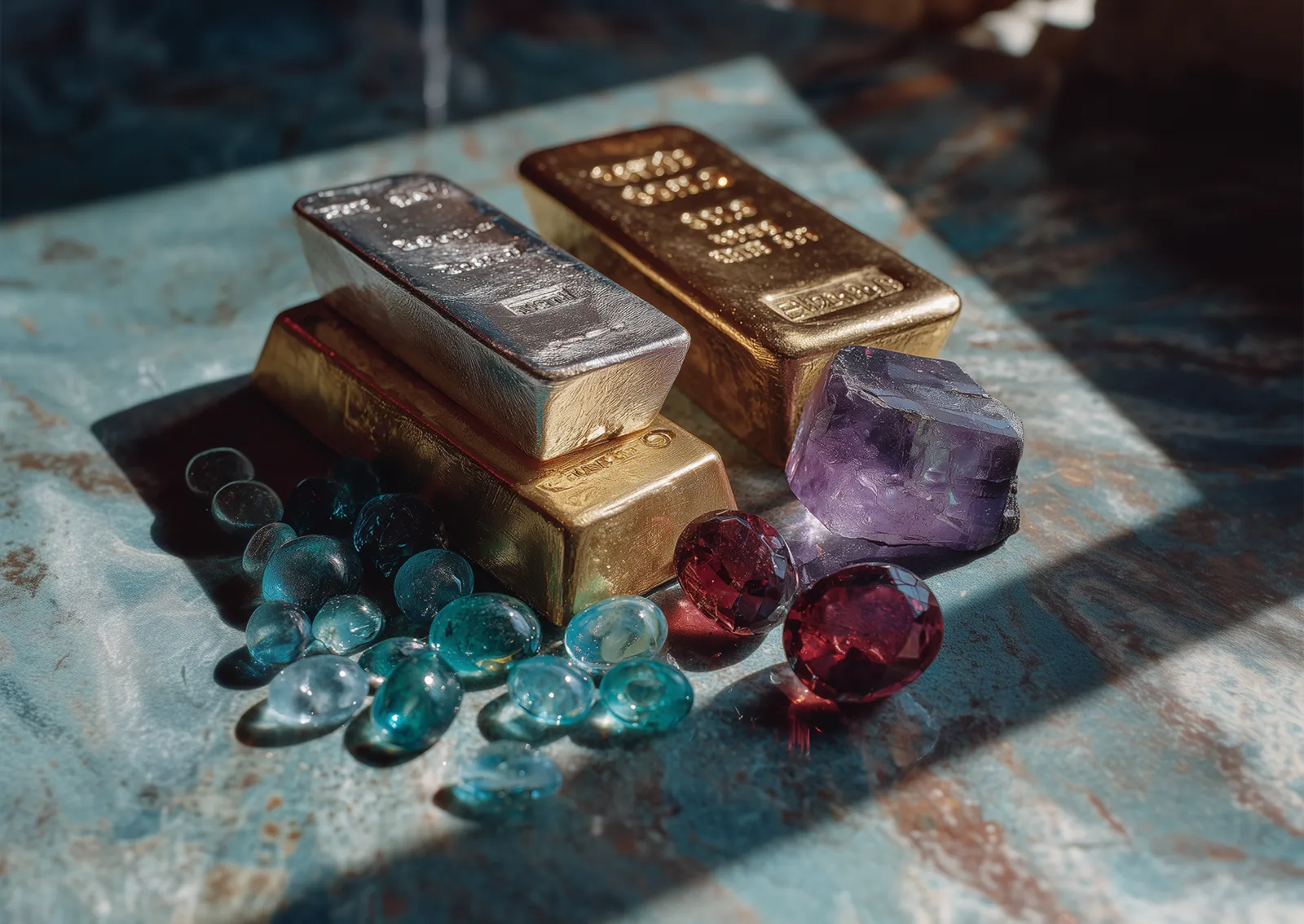
How to Choose the Right Metals and Gemstones for Your Custom Jewelry Design
Luxury Custom Jewelry Choices for Metals & Gemstones
When you purchase custom-made luxury jewelry, one of the first things you need to decide is what metals and/or gemstones you would like to use for your new piece. Your decision will affect not only how your new piece looks, but also how durable it is, how long it lasts, and whether or not it appreciates in value. At CJD Fine Jewelry, we work with many clients in the United States who are becoming increasingly knowledgeable about rare colored gemstones, natural versus lab-grown diamonds, and how choosing a metal affects both the overall look of a custom piece and the final price of the piece of custom jewelry.
A Guide To Choosing A Metal For Your New Piece Of Luxury Custom Jewelry
Every piece of custom jewelry is built on a metal base. That metal base serves as the foundation for both the aesthetic appeal of your custom jewelry piece and as a determinant of how well your piece wears and how much you spend for your piece. When you buy custom jewelry, the three most popular types of metals are gold (with several colors available), platinum, and palladium. When it comes to purchasing high-end custom jewelry, other types of metals are rarely considered as they relate to building a custom piece of heirloom quality jewelry.
Key Things To Consider
Before making a metal choice, consider the following:
First, consider how you plan to wear the piece. Will it be worn every day or only occasionally? Based on U.S. guidelines, a piece of jewelry that is designed for everyday wear needs to meet two criteria: durability and comfort.
Second, establish a budget and understand what you expect from the metal and the jewelry itself. In general, higher-karat gold and platinum are more expensive than lower karat gold.
Third, do you have any metal allergies, or do you prefer one color of metal over another (white, yellow, or rose)?
An Overview of Metal Options
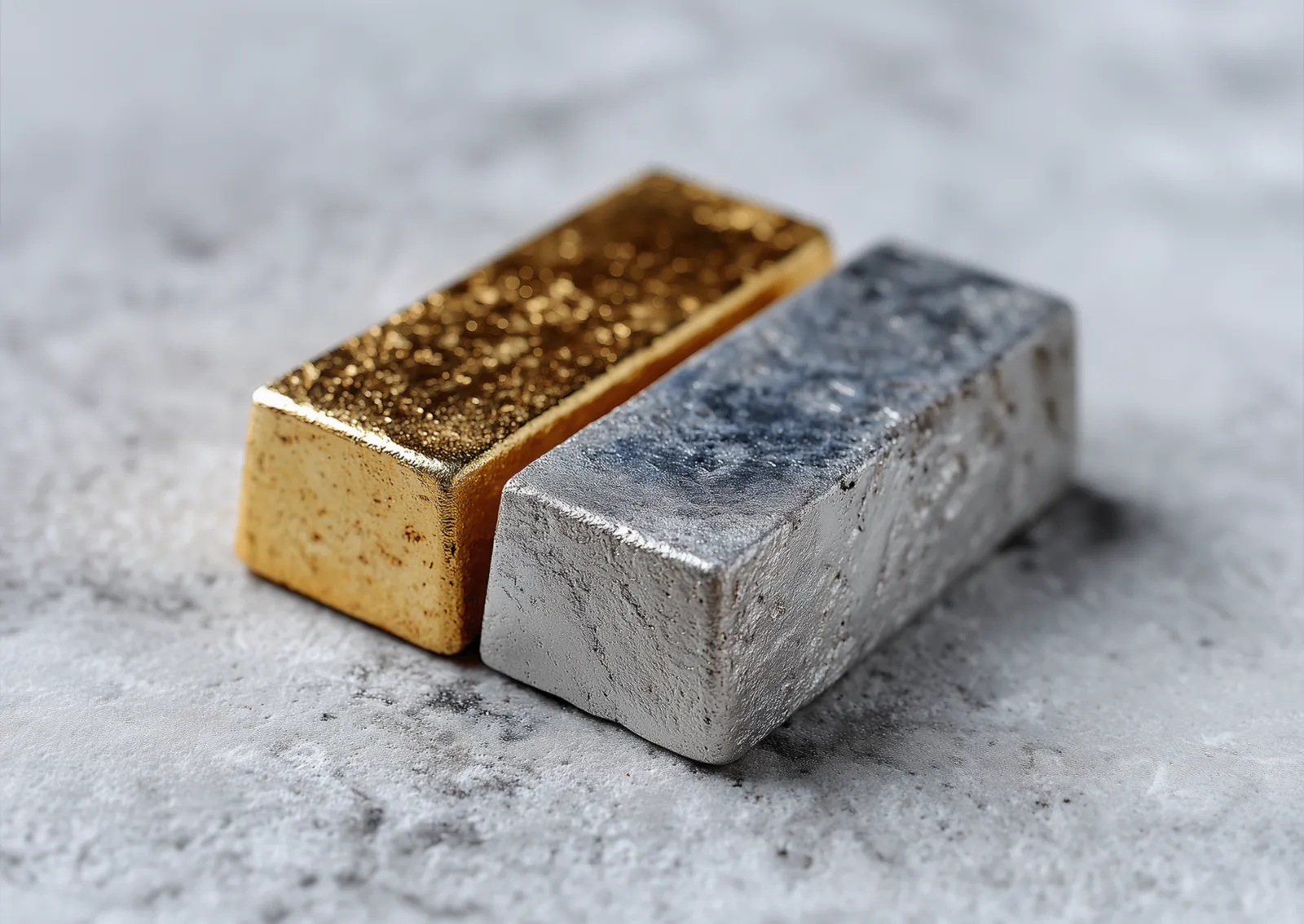
Platinum: Platinum is generally recognized as the ultimate luxury metal for fine jewelry. Platinum is hypoallergenic, retains its bright silver-white color, and is ideal for mounting larger gemstones. As stated in one U.S. jewelry guide, "Platinum is the most luxurious metal," and is also the most expensive.
Gold (14k or 18k, in yellow, white, or rose): Gold is perhaps the oldest and most time-honored choice. In the U.S. luxury jewelry market, 18k gold is the preferred luxury metal. Yellow gold has the traditional warm tones of gold; white gold, often rhodium plated to maintain a modern white finish; and rose gold adds a romantic feel to any piece of jewelry.
White gold with rhodium plating requires maintenance (re-plating). Luxury clients should be informed of this requirement.
Palladium / Alternative white-metal alloys: While not as common in ultra-high-end custom jewelry, some manufacturers are now producing white-metal alternatives to platinum at a significantly lower cost.
Some Practical Advice for Luxury Bespoke Clients
As mentioned above, if you want to create a custom piece of jewelry with significant gemstone focus and true heirloom quality, then either platinum or 18k gold are the best choices for you. If you intend to wear your custom piece every day (e.g., an engagement ring or statement piece of jewelry), then platinum offers the greatest durability. If you prefer a warmer tone or lighter weight, then 18k yellow or rose gold is an excellent choice. Most importantly, your metal choice should complement the color of your gemstone(s), the style of the setting, and your own personal style.
Natural Diamonds Versus Lab-Grown Diamonds
When creating a custom piece of jewelry with diamonds as the centerpiece or focal point, the next most common question asked today in the U.S. luxury jewelry market is whether to select a natural diamond or a lab-grown diamond.
Chemical/Physical/Optical Equivalence.
According to gem education experts, lab-grown diamonds are chemically, physically, and optically identical to natural diamonds. Both types of diamonds score 10 on the Mohs scale of hardness and shine similarly when cut and polished correctly.
Origin/Rarity/Value Differences.
While natural diamonds are formed millions of years ago under extreme pressure deep within the Earth, and therefore are extremely rare and hold historical symbolism, lab-grown diamonds are created in laboratory-controlled conditions over weeks or months, which creates an abundance of availability and lower prices.
From a value standpoint, as of 2025, lab-grown diamonds currently sell for 20-50% less than comparable natural diamonds.
What Does This Mean for Luxury Custom Jewelry Clients.
If you believe in the value of tradition, rarity, and long-term investment potential of your jewelry, a natural diamond might be the best option for you. If you prioritize size, visual presence, budget flexibility, and concern about the environmental/social implications of diamond mining (i.e., reduced impact), then a lab-grown diamond is an equally viable option. The key to making a good decision here is being fully transparent with your custom jeweler regarding your selection, ensuring that he/she provides you with certification of origin (e.g., from the Gemological Institute of America -- GIA, or the International Gemological Institute -- IGI), and full disclosure of origin.
Luxury Custom Jewelry Materials
The use of rare and colorful gemstones is one of the fastest growing segments of bespoke jewelry in the United States. Many customers ask: What is the combination of rarity, durability, and an aesthetically pleasing appearance of gemstones for a luxury, custom-made jewelry piece?
Gemstone Evaluation Criteria
Jewelers of America, and others who educate people about gemstones, indicate that there are four main characteristics of gemstones: color, clarity, cut and carat weight. Color is typically the most significant quality characteristic of colored stones.
Durability is also extremely important: the Mohs hardness scale, cleavage, toughness and ability to withstand everyday wear and tear, must all be considered. For example, some gemstones (opals, emeralds) require additional protection to maintain the beauty of the stone.
Meaning/Origin and Rarity.
Meaning and origin can greatly enhance the perceived value of the gemstone to the customer. Many customers select gemstones that represent a specific milestone in life (milestone colors), birthstones or gemstones that have been discovered in limited quantities (Paraíba tourmaline, alexandrite, old-mine rubies).
Trends in Luxury Gemstones
Among luxury custom jewelry buyers in the U.S. the favorite types of gemstones include:
- Sapphire (fancy-colored sapphires): durable (Mohs 9), extremely versatile.
- Ruby: vibrant red, symbolizes passion and luxury.
- Emerald: rich green, however, the natural inclusions of this stone make it necessary to consider using a protective setting.
- Rare stones including tanzanite, alexandrite and Paraíba tourmaline: selected for their uniqueness and collectibility.
Design Implications Due to Setting and Durability Characteristics of Gemstones
Due to the varying levels of hardness/durability of different gemstones, the type of gemstone selected will impact the type of setting used for the stone. For instance, a softer gemstone may require a bezel or protective halo setting as opposed to being secured in place using heavy prongs. The custom jeweler should recommend a setting that takes into consideration both the physical characteristics of the stone and your daily wearing patterns.
Considerations Regarding Ethical Sourcing, Certifications and Care of Your Piece
In addition to the type of metal and gemstone selected, luxury custom jewelry customers are increasing asking about the source of their piece, the origin of the materials and the overall longevity of their piece.
Certifications and Ethical Sourcing of Materials.
Regardless of whether the diamond or colored gemstone has been certified by a recognized laboratory (GIA, IGI) or origin report, certification provides credibility and value to the piece. As stated by the Jewelers of America, it is essential that all treatments and origins of colored gemstones be fully disclosed prior to purchase.
Many U.S. consumers also inquire about "conflict-free" sourcing and would like to know if the jewelry company can document an ethical supply chain for their materials.
Maintenance, Longevity, Cleaning and Servicing
Appropriate maintenance is vital for the longevity of your piece. Examples of proper maintenance include:
- Metal: white gold may require a rhodium plating application, while platinum develops a patina over time from wear, and some owners appreciate this finish.
- Gemstones: softer gemstones or gemstones with inclusions should avoid impacts, chemical exposures, and/or frequent wear. A common reference states that the anticipated frequency of wear (everyday wear vs. infrequent wear) will affect the recommended material for your piece.
- Insurance and servicing: for luxury custom pieces, regular inspections, cleanings, and documentation are advisable.
Conclusion
The selection of metal and gemstone for your luxury custom piece represents far more than just aesthetic considerations — they represent your values, lifestyle, and legacy. By selecting a metal (white, yellow, rose gold, platinum or palladium) that is compatible with your wear pattern and tone; by selecting diamonds (lab-grown or natural) and understanding the origin and value of those diamonds; by carefully evaluating rare, colorful gemstones for their significance, rarity and durability; and by requiring transparent certification and care, you ensure that your bespoke piece meets its symbolic and material aspirations.
Simply put: the choices regarding custom jewelry materials, luxury custom gemstones, the best metals for custom rings, and lab-grown versus natural diamonds are interconnected decisions. Working closely with a luxury atelier to assist you with making these selections ensures that the final product is beautiful now — and will endure for generations to come.
If you are interested in exploring your own custom piece, the first step involves having a thoughtful discussion regarding materials, stones, and design.

-Author’s Note-
Jason Walker
Design is just the surface. What really matters is the story behind it — why you chose that metal, what that stone reminds you of, who it’s for. That’s where the meaning lives. Real luxury isn’t about flash. It’s about honesty, skill, and something that still feels right ten years from now.
11 Comments

“Your section on lab grown vs natural diamond has piqued my interest. If both diamonds sparkle similarly, how much difference in practical resale value should I expect on a custom engagement piece?”
Sadie Monroe

“You had some good points. I’d appreciate clarification on the colored gemstone durability discussion, and how the setting type (halo vs bezel) affects the lifespan of say emeralds vs sapphires.”
Tara Whitfield

“I found your metal explanations very helpful. As I am allergic to nickel, platinum seems like a safer option, however, does platinum still require rhodium or other finishes as white gold does?”
Miranda Blake
“Your section on the meaning/rarity of gems was particularly meaningful to me — I am considering using a birthstone for my piece. Would there be a substantial price increase for something like alexandrite due to its rarity, or simply because of demand?”
Joanna Carlisle
“This was helpful. There’s a tiny bit I wanted to note — you mentioned palladium as an alternative white-metal alloy to platinum. Is it easy to find jewelers who make palladium jewelry versus platinum for a family heirloom piece?”
Whitney Lane

“I appreciated your sections on metals and gemstones. If I choose between platinum and gold and ultimately want to resize my piece, will either one incur significantly higher costs or risks of wear from resizing?”
Derek Hawthorne

“Interesting article. Question: you state that lab-grown diamonds are currently 20-50% less expensive. Do you think this gap will narrow over time as lab-grown diamonds gain popularity, or remain stable for investment purposes?”
Brandon Fields
“As we discussed regarding daily wear verses periodic wear, you emphasized durability and comfort. For someone who is physically active (gym, manual labor), what is the safest pairing of metal/gemstone combination?”
Caleb Westwood
“I appreciated your information regarding certification and sourcing for your colored gemstones. In the US marketplace, how standardized are origin certificates for colored gemstones, and how much additional cost does this involve?”
Marcus Reynolds
“Thank you for your recommendations regarding setting choices for soft stones. If I select a Paraiba tourmaline, does this limit my selection of metals or settings styles (i.e. stone size/design), and if so, by how much?”
Shawn Baxter
Leave a Reply
Contact us with any questions or replies — we’re always here to help.
“I liked your metal section — since I would be getting an 18k rose gold for my custom wedding band, do I have to consider extra polishing or maintenance with rose gold compared to platinum? Trying to plan ahead.”
Elena Preston