The Journey and Timing Behind Custom Jewelry Design
Understanding Custom Jewelry Creation Timelines
The question of "how long does it take to make a custom jewelry item" is a practical one. The answer to this question directly affects the amount of money a customer spends, the timing of the event where the jewelry will be worn, and the materials used. For luxury customers who are purchasing bespoke jewelry, timing is not simply a matter of convenience; it is influenced by the availability of raw materials in the supply chain, the number of artisans working at the manufacturer, and the time required to ensure the quality of the finished product. This article offers insights based on data from U.S. jewelers into how long it takes to create a custom jewelry piece and provides an overview of the primary drivers of lead time for high-end custom jewelry projects. The first half of this article describes CJD Fine Jewelry as an example of a maker that creates high-end luxury products and therefore manages longer lead times, which are determined by the deliberate pace of the making process.
A Practical Answer to the Question Based on Industry Estimates
American jewelers have provided industry-based estimates of lead time for custom-made pieces. While the average lead time from the final design approval to the delivery of a bespoke piece is approximately 21 days, there are instances where the lead time is as short as 14 days and other examples where the lead time exceeds 60 days. Furthermore, while the lead time for less complicated items such as simple custom pendants may be as little as 14–21 days, highly complicated high-jewelry items that require the use of rare gemstones or extensive hand craftsmanship can have lead times that exceed 60–90 days.
A Description of the Stages of Production and Estimated Lead Times
The creation of a custom jewelry piece involves a series of step-by-step processes. Each process has a specific estimated lead time associated with it. Depending upon the number of revisions to the initial designs, the estimated lead time of the overall project may vary.
Consultation/Brief (1–7 Days)
A customer meeting is held to collect information regarding a customer's needs and preferences, including budget, desired features, and potential reference points. It is essential for the customer to respond promptly to inquiries during this period, as delays can result in increased overall lead time.
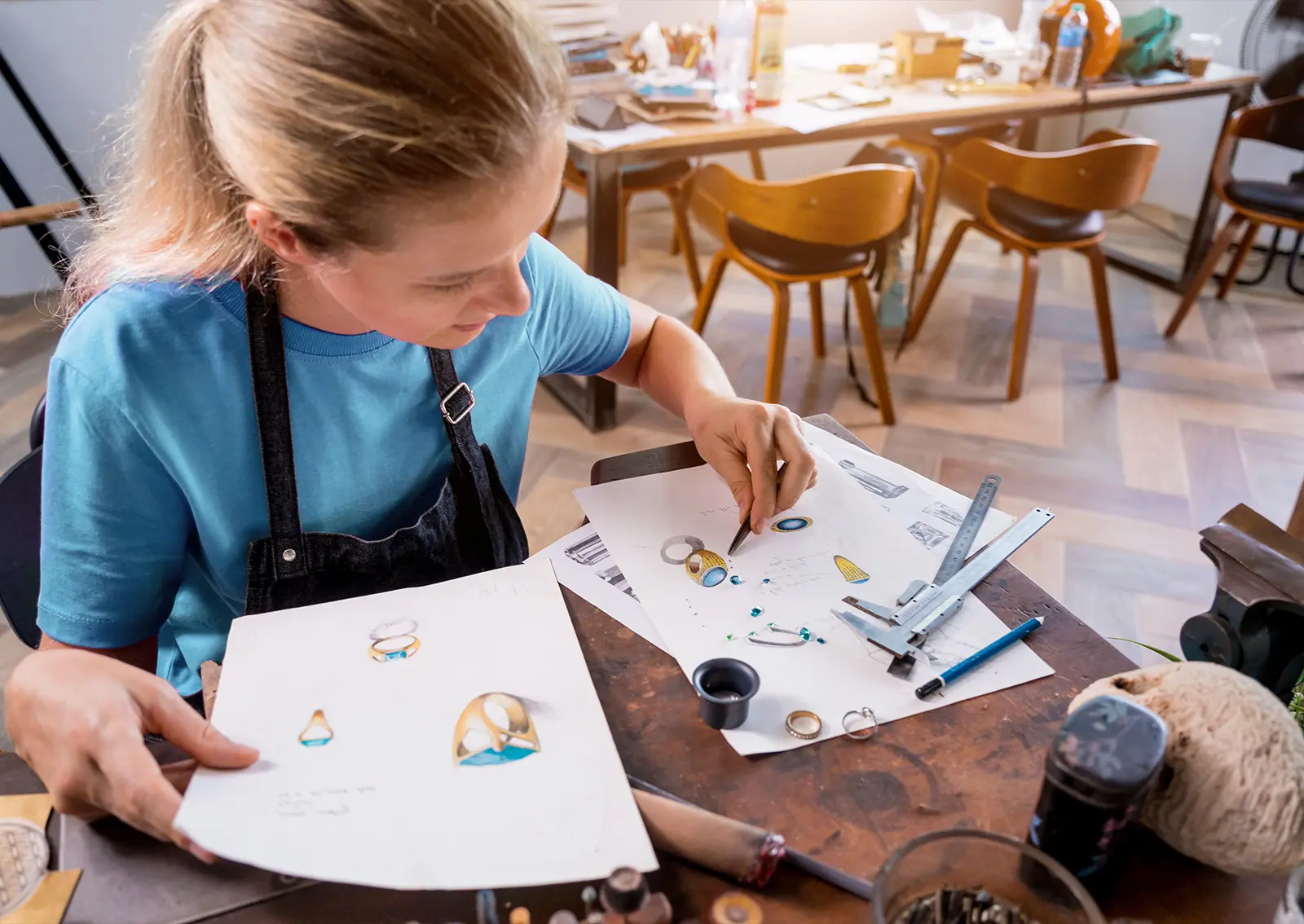
Design/Prototyping/CAD (3–14 Days)
During this phase, the designer develops a CAD model of the proposed jewelry piece along with a rendering of the proposed piece. If necessary, a wax or resin prototype is created to facilitate a preview of the proposed jewelry piece. Generally, each round of revision increases the estimated lead time by several days.
Materials Sourcing (Variable Days/Weeks)
Finding a standard metal base is generally quick; however, locating a specific type of natural diamond, a particular cut of diamond, or a rare-colored diamond can extend the estimated lead time by anywhere between 14–42 days based upon market availability and certification.
Manufacturing/Handcrafting (2–8+ Weeks)
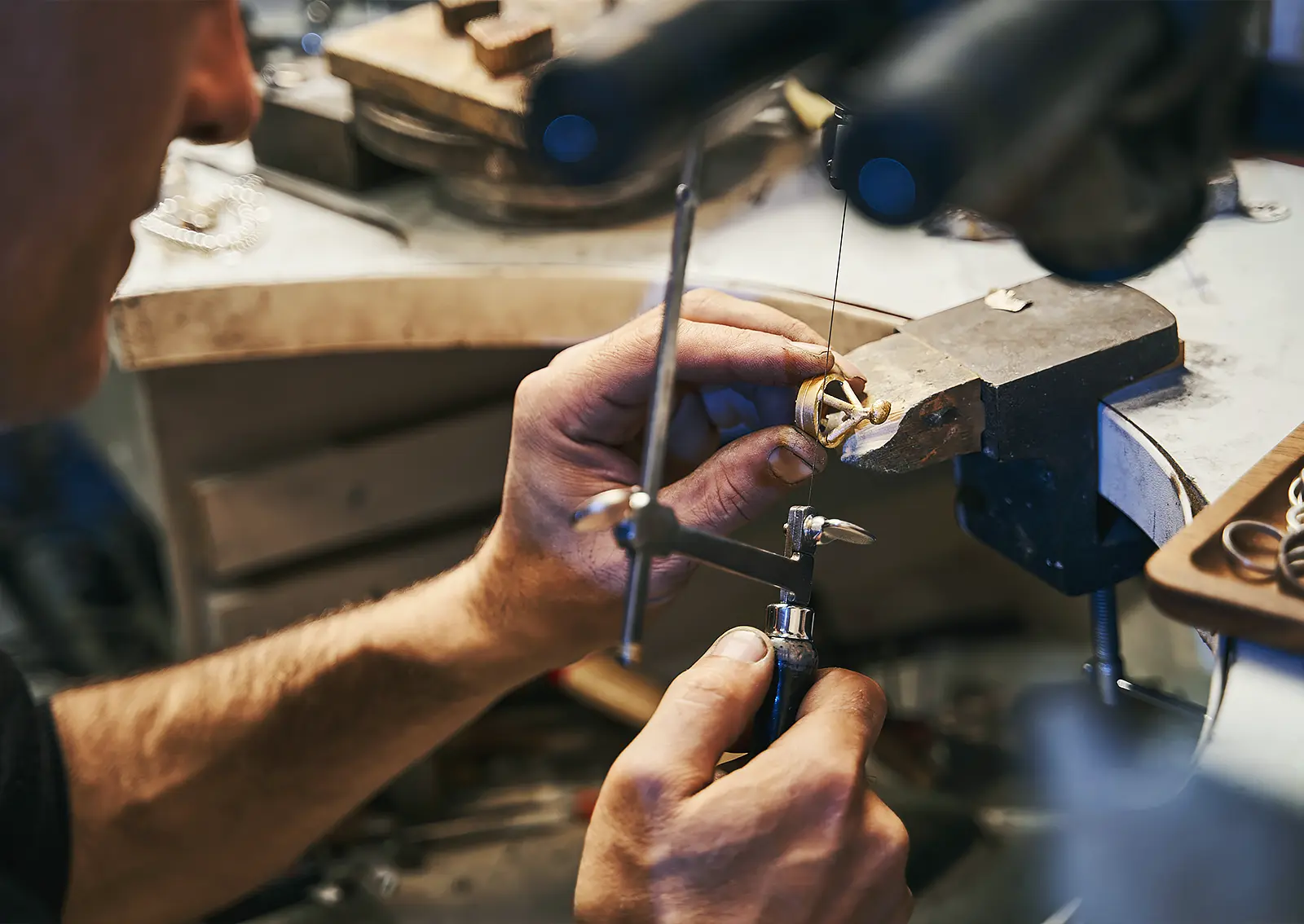
The estimated lead time for this phase includes casting, fabrication, stone setting, and hand-finishing. Due to the extensive manual nature of hand-finishing, this phase typically has the longest lead time. Luxury items that involve hand-finishing, such as hand-setting of stones, engraving, or mounting, can take significantly longer to complete.
Finishing/QA/Delivery (3–10 Days)
After completion of the hand-finishing phase, the finished jewelry piece undergoes final inspection, any final adjustments are made, and the completed jewelry piece is prepared for shipment to the customer.
Factors That Influence Lead Time
There are several factors that influence lead time. Most of these factors relate to either the availability of materials, the complexity of the design, the number of artisans available, and/or the need for rush orders.
Availability of Rare Gemstones and Certification: The rarity of certain diamonds and the strict certification standards contribute to the uncertainty in the availability of raw materials. As a result, this factor is the primary driver of variability in lead time.
Complexity of Design and Number of Revisions: The greater the number of design revisions that are requested by the customer, the longer the lead time. Conversely, prompt sign-offs from the customer and fewer revisions will result in a shorter lead time.
Seasonal Workload and Backlog: At peak periods (i.e., wedding season), and when the manufacturer has an extensive backlog of projects awaiting completion, the lead time will be extended due to increased demand.
Time Required for Custom Techniques and Handwork: Compared to cast parts or machine-finished parts, micro-pavé settings, filigree, and hand engraving require significantly longer bench times.
Rush Orders: When a customer requires expedited delivery, a studio may offer rush service for an additional charge. Some U.S.-based jewelers offer a rush guarantee for a specified premium, for example, within six weeks for a premium price. Rush service may result in higher costs to the customer, limited availability of certain materials, and may affect certain quality aspects of the finished product.
Recommendations for Clients and Summary
To mitigate the risk of delayed delivery and to avoid last-minute rush charges when creating a custom luxury piece of jewelry (i.e., a custom-designed pendant, a custom engagement ring, or a high-value statement piece), clients should consider these best practices:
- Allow More Time Than You Think Necessary: If the client requires the jewelry piece to be ready for an important occasion, allow a 2–4-week buffer above the manufacturer's quoted lead time.
- Prepare Your References and Ideas Before the First Meeting: By having all of your references and your desired characteristics of the jewelry piece clearly defined before the first meeting, you will likely experience fewer rounds of revisions and ultimately save time.
- Be Flexible With Material Choices: If timely delivery is imperative, consider selecting alternative materials. Additionally, you may want to specifically request the opportunity to pay for rush procurement.
- Request Milestone Dates and Written Updates: Schedule regular meetings with your jeweler to discuss the progress of your jewelry piece. Request that your jeweler provide you with milestone dates (e.g., CAD delivery date, prototype review, etc.) and written updates to ensure that you remain informed of the status of your project.
Summary of Findings
Available data from U.S. jewelers indicate that a reasonable estimate of lead time is: 2–3 weeks for simple custom jewelry pieces after the final design has been approved; 3–8 weeks for most luxury bespoke jewelry pieces; and 6–12+ weeks when rare gems or extensive handwork are involved. These lead time estimates are derived from the step-by-step nature of the consulting/design/sourcing/manufacturing/follow-up phases of the creation of a custom jewelry piece and provide insight into the reason why the timing of the creation of a custom jewelry piece is inherently part of the value proposition of high-end custom jewelry.

-Author’s Note-
Benjamin Hartley
Customizing jewelry can be an involved process. It combines a creative component (design), an artistic component (craftsmanship), and an educational component (communication). The amount of time it takes to create a piece of customized jewelry depends as much on the quality and uniqueness of each step of the process as it does on the actual "production" time.
05 Comments

“That’s interesting – 2–3 weeks for simple items, but 6–12+ for complex ones. If I pick a standard metal and a common stone, do you think I could realistically get it delivered in under a month?”
Kendall Monroe

“The information on artisan capacity and backlog was spot-on – I never realized how seasonal jewelry sales were. I’m curious how many customers ask for rush orders and whether it’s really worth the additional cost.”
Paige Whitman

“Appreciate your detailed list of steps from consulting with clients to delivering finished pieces; now I see why custom orders are so expensive when placed at the last minute. At least I’ll be prepared.”
Tyler Rhodes

“Thank you for pointing out that revisions to the original order can cause delays. I’ve changed my mind mid-project before and didn’t realize it could set things back by days or even weeks.”
Colton Graves
Leave a Reply
Contact us with any questions or replies — we’re always here to help.
“Enjoyed breaking down the timelines; had no idea sourcing materials alone could take 2–6 weeks. This is a huge wake-up call for me if I want to have a custom piece ready for summer 2025.”
Avery Carlson